
Project Collaborators
Our team includes representatives from intergovernmental organizations, research centers, advocacy nonprofits, and universities. If you’d like to join our team of collaborators, please get in touch.
MIT Collaborators
-
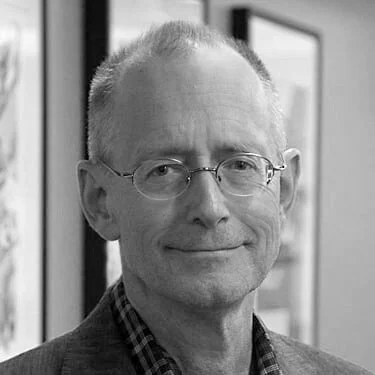
James Paradis
MIT Civic Design Initiative
James Paradis is the Robert M. Metcalfe Professor of Writing and Comparative Media Studies. He works on problems of the mutually-influential rise of professionalism and vernacular culture, the public reception of science, and the way in which fields of expertise are represented in popular media. His methods are comparative, and draw on cultural studies, biographical approaches, intellectual history, and the history of rhetoric to study science popularization, science fiction, science education, two-cultures controversies, science as entertainment, and vernacular science. These interests are highlighted in his various books, articles, and edited collections, including T. H. Huxley: Man's Place in Nature (Nebraska 1978); Victorian Science and Victorian Values (with T. Postlewait, Rutgers 1984); Evolution and Ethics (with G. Williams, Princeton 1989); Textual Dynamics of the Professions (with C. Bazerman, Wisconsin 1991); and Samuel Butler: Victorian against the Grain (Toronto 2007). Prof. Paradis teaches CMS.950: Graduate Workshop I; CMS.375/875: Reading Climate through Media; CMS.376/876: History of Media and Technology; and CMS.S61/S97: Transmedia Art; Extraction, and Environmental Justice.
-

Eric Gordon
MIT Civic Design InitiativeEmerson College
Eric Gordon is a visiting professor in Comparative Media Studies/Writing. He is also a professor of civic media and the director of the Engagement Lab at Emerson College in Boston. His research focuses on the transformation of public life and governance in digital culture, specifically looking at the context of equitable and generative “smart cities.” For the last ten years, Professor Gordon has explored the role of play and creativity in civic life, looking at how game systems and playful processes can augment traditional modes of civic participation. He has served as an expert advisor for local and national governments, as well as NGOs around the world, designing responsive processes that help organizations transform to meet their stated values. He has created over a dozen games for public sector use and advised organizations on how to build their own inclusive and meaningful processes. He is the author of two books about media and cities (The Urban Spectator (2010) and Net Locality (2011)) and is the editor of Civic Media: Technology, Design, Practice (MIT Press, 2016) and the forthcoming Ludics: Play as Humanistic Inquiry (Palgrave, 2020). His most recent monograph, Meaningful Inefficiencies: Civic Design in an Age of Digital Expediency (Oxford University Press, 2020) examines an emerging care ethics in public innovation. He received his Ph.D. in media studies in 2003 from the School of Cinematic Arts at the University of Southern California.
-

Grow it.
It all begins with an idea. Maybe you want to launch a business. Maybe you want to turn a hobby into something more. Or maybe you have a creative project to share with the world. Whatever it is, the way you tell your story online can make all the difference.
-

Sell it.
It all begins with an idea. Maybe you want to launch a business. Maybe you want to turn a hobby into something more. Or maybe you have a creative project to share with the world. Whatever it is, the way you tell your story online can make all the difference.

Aarathi Krishnan
United Nations Development Programme
Aarathi Krishnan specialises in humanitarian futures and strategic foresight. She has worked in humanitarian and development aid globally for over 15 years and now focuses her work on reimagining futures for the humanitarian system and social change. She works at the intersection of humanitarian futures, strategic foresight, and systems transformation.
She supports a range of international humanitarian organisations on how to embed foresight and strategy to drive institutional and systems transformation, including the UN in Cambodia and North Macedonia, UNDP, UNV, UNHCR, MSF and ICRC .
A 2020-21 Technology and Human Rights Fellow at the Harvard Carr Centre for Technology and Human Rights, she also works on research initiatives with a range of partners, including the World Economic Forum, on inclusive technologies, AI and Civil Society Futures.
She is specifically interested in issues of planetary health, inclusive and equitable technology futures, new forms of growth and power, with a lens on decolonised and feminist futures. She writes and speaks publicly and can be found on Twitter at @akrishnan23
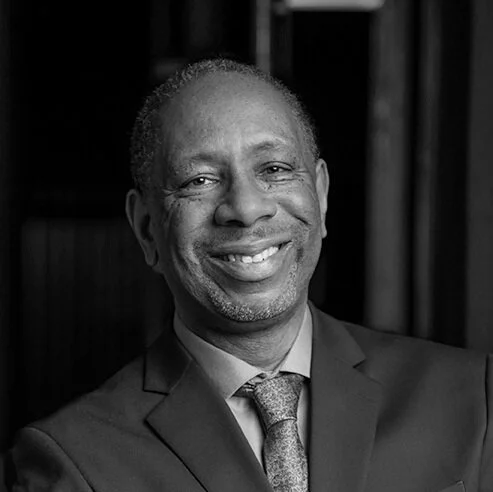
Caesar McDowell
MIT Center for Constructive Communication / MIT DUSP
Professor of the Practice of Community Development, Ed.D. Harvard Ceasar L. McDowell holds an Ed.D. (88) and M.Ed. (84) from Harvard. Ceasar's current work is on the development of community knowledge systems and civic engagement. He is also expanding his critical moments reflection methodology to identify, share, and maintain grassroots knowledge. His research and teaching interests also include the use of mass media and technology in promoting democracy and community-building, the education of urban students, the development and use of empathy in community work, civil rights history, peacemaking, and conflict resolution. He is Director of the Global Civic Engagement Organization, Dropping Knowledge International, MIT's former Center for Reflective Community Practice (renamed Co-Lab), Co-founder of The Civil Rights Forum on Telecommunications Policy, and founding Board member of The Algebra Project.
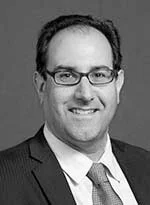
Darren Ranco
University of Maine
Darren Ranco is a faculty member with the University of Maine’s Department of Anthropology, as well as the Chair of Native American Programs and Coordinator of Native American Research. His research focuses on the ways in which indigenous communities in the United States resist environmental destruction by using indigenous diplomacies and knowledges to protect cultural resources, and how state knowledge systems continue to expose indigenous peoples to an inordinate amount of environmental risk. Ranco is a citizen of the Penobscot Nation and is particularly interested in how better research relationships can be made between universities, Native and non-Native researchers, and indigenous communities.
As part of his research, Ranco is also involved in developing mentoring programs for Native American students at the University of Maine and developing a statewide STEM education program for Native American students, the Wabanaki Youth in Science (WaYS) Program.

Eric Gordon
MIT Civic Design Initiative
Emerson College
Eric Gordon is a visiting professor in Comparative Media Studies/Writing. He is also a professor of civic media and the director of the Engagement Lab at Emerson College in Boston. His research focuses on the transformation of public life and governance in digital culture, specifically looking at the context of equitable and generative “smart cities.” For the last ten years, Professor Gordon has explored the role of play and creativity in civic life, looking at how game systems and playful processes can augment traditional modes of civic participation. He has served as an expert advisor for local and national governments, as well as NGOs around the world, designing responsive processes that help organizations transform to meet their stated values. He has created over a dozen games for public sector use and advised organizations on how to build their own inclusive and meaningful processes. He is the author of two books about media and cities (The Urban Spectator (2010) and Net Locality (2011)) and is the editor of Civic Media: Technology, Design, Practice (MIT Press, 2016) and the forthcoming Ludics: Play as Humanistic Inquiry (Palgrave, 2020). His most recent monograph, Meaningful Inefficiencies: Civic Design in an Age of Digital Expediency (Oxford University Press, 2020) examines an emerging care ethics in public innovation. He received his Ph.D. in media studies in 2003 from the School of Cinematic Arts at the University of Southern California.

Gabriela Degetau
MIT Civic Design Initiative
Gabriela Degetau is a graduate candidate in the Master of Science in Architecture Studies and Urbanism program in the School of Architecture and Planning at the Massachusetts Institute of Technology. She also graduated with a Bachelor of Architecture degree from the University of Houston. Gabriela has worked in multiple countries including Ecuador, United States, Mexico, and Spain.
Gabriela strives to be an agent of change in a shifting society, exploring new methods and possible solutions for social justice and learning more about environmental and resilient design. Moreover, she has been part of numerous architectural and urban projects where her role was to emphasize community engagement and participatory research. Her current research lies on Indigenous and local communities' empowerment and the intersection between ancient knowledge and technology. At MIT, she works as a Research Assistant at the MIT Mobility Initiative and the MIT Civic Design Initiative. Her ultimate goal is to serve the public by being part of a team that researches, advocates, promotes social justice through design, and generates new transformational ideas for a resilient world.

Gideon Kossoff
Transition Design Institute
Gideon is an Associate Director of the Transition Design Institute and Special Faculty in the School of Design, where he teaches and conducts research in transition design and ecoliteracy. He focuses on the convergence between philosophical and scientific holism, the emerging ecological world view and the decentralist, ecophilosophical tradition that embraces such figures as Lewis Mumford, Jane Jacobs, Murray Bookchin and Vandana Shiva. Gideon argues that whilst this tradition has become urgently relevant in informing the transition to alternative social, political and economic systems (transition design) it needs to more effectively incorporate contemporary developments in, for example, chaos and complexity theories, whole systems economics, commoning, social psychology and urban sociology.
Gideon studied and worked with ecophilosopher and social ecologist Murray Bookchin over a period of several years, has worked with many grassroots green groups and networks in the UK, was programme administrator and course tutor for the MSc in Holistic Science at Schumacher College (where he also built an extensive library of books on topics relating to the emerging ecological worldview) and holds a Phd in design from the University of Dundee, Scotland. His thesis, in which he introduced the concept of transition design, was entitled ‘Holism and the Reconstitution of Everyday Life: a Framework for Transition to a Sustainable Society’. It is summarised in the book ‘Grow Small, Think Beautiful’ edited by Stephan Harding and published by Floris. This and other writings on transition design and related topics can be found on Gideon's academia.edu page.
Henry Jenkins
USC Civic Paths Group
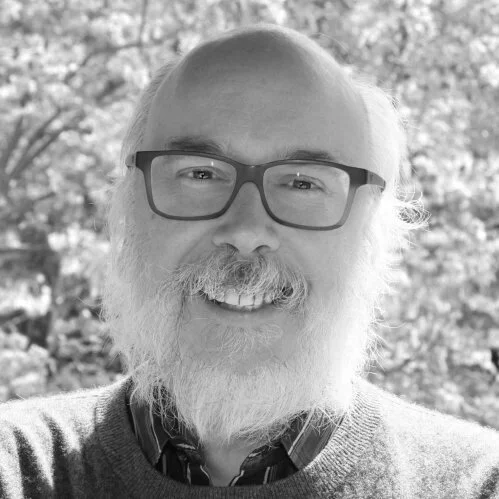
Henry Jenkins is Provost’s Professor of Communication, Journalism, Cinematic Arts and Education at the University of Southern California. He joined USC from the Massachusetts Institute of Technology, where he was Peter de Florez Professor in the Humanities. Jenkins directed MIT’s Comparative Media Studies graduate degree program from 1993-2009, setting an innovative research agenda during a time of fundamental change in communication, journalism and entertainment.
Jenkins has also played a central role in demonstrating the importance of new media technologies in educational settings. He has worked closely with the John D. and Catherine T. MacArthur Foundation to shape a media literacy program designed to explore the effects of participatory media on young people, and reveal potential new pathways for education through emerging digital media.
He is principal investigator on the MacArthur funded Civic Imagination project. The author or editor of twenty books in media and cultural studies, Jenkins’ most recent books include Popular Culture and the Civic Imagination: Case Studies of Creative Social Change (co-edited with Sangita Shresthova and Gabriel Peters-Lozaro) and Comics and Stuff. He is currently finishing a book on children’s media and the Baby Boom generation. . He blogs twice a week at henryjenkins.org and co-hosts the How Do You Like It So Far? podcast.
James Paradis
MIT Civic Design Initiative
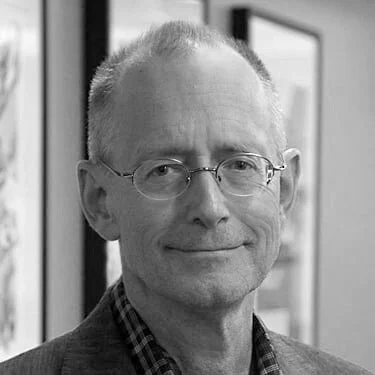
James Paradis is the Robert M. Metcalfe Professor of Writing and Comparative Media Studies. He works on problems of the mutually-influential rise of professionalism and vernacular culture, the public reception of science, and the way in which fields of expertise are represented in popular media. His methods are comparative, and draw on cultural studies, biographical approaches, intellectual history, and the history of rhetoric to study science popularization, science fiction, science education, two-cultures controversies, science as entertainment, and vernacular science. These interests are highlighted in his various books, articles, and edited collections, including T. H. Huxley: Man's Place in Nature (Nebraska 1978); Victorian Science and Victorian Values (with T. Postlewait, Rutgers 1984); Evolution and Ethics (with G. Williams, Princeton 1989); Textual Dynamics of the Professions (with C. Bazerman, Wisconsin 1991); and Samuel Butler: Victorian against the Grain (Toronto 2007). Prof. Paradis teaches CMS.950: Graduate Workshop I; CMS.375/875: Reading Climate through Media; CMS.376/876: History of Media and Technology; and CMS.S61/S97: Transmedia Art; Extraction, and Environmental Justice.
Margaret Arnold
World Bank
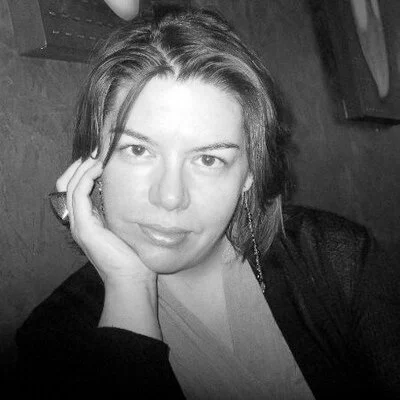
Margaret Arnold is a Senior Social Development Specialist with the World Bank, specializing in the social dimensions of climate change, disaster risk management, and community-based and gender-sensitive approaches to risk management. She leads work on pro-poor adaptation and resilience building for the Social Resilience cluster. Margaret has been with the World Bank since 1995, and has worked on urban development and post-conflict reconstruction in addition to DRM. She was part of a two-person team that established the World Bank's first unit focused on natural disaster risk management in 1998 (the Disaster Management Facility), and is credited with facilitating the Bank's recognition of disaster risk reduction as a development priority. She is one of the founders of the ProVention Consortium and served as Head of its Secretariat from 2007-2009.

Mona Vijaykumar
MIT Civic Design Initiative
Mona Vijaykumar is a graduate candidate in the Master of Science in Architecture Studies and Urbanism program in the School of Architecture and Planning at the Massachusetts Institute of Technology. She is also an architect based in India and envisions a society that collectively values diversity, ethnicity, and culture. Her approach to architecture and urban design dives into the larger spectrum of social egalitarianism and empowerment. She has initiated and designed numerous architecture and urban scale competitions/projects in India, USA, China, Ukraine, Bangladesh and Africa tackling social and environmental issues. Alongside being a graduate candidate, she also works as a Community Graduate Fellow at MIT-IDEAS for Social Innovation, housed in the PKG Public Service Center, and contributes as a Research Assistant in the MIT- Civic Design Initiative. With a research interest in investigating the dichotomy of salt workers and landscapes in India, she has been awarded the MISTI-India fellowship at MIT to undertake research in collaboration with Hunnarshala Foundation over the Summer of 2021. Her current interest lies in investigating the intersections of climate change and the smart city model of urban development through the lenses of planning, policy making, economy and gender.
Pablo Suarez
Red Cross Red Crescent Climate Centre
Pablo Suarez is Associate director for research and innovation at the Red Cross Red Crescent Climate Centre, as well as Artist in Residence at the National University of Singapore (NUS-IPUR), visiting fellow at Boston University, honorary senior lecturer at University College London, and faculty member at University of Lugano (Switzerland). He has consulted for the UN Development Programme, the World Food Programme, the World Bank, Oxfam America, and about twenty other international humanitarian and development organizations, working in more than 60 countries. His current work addresses institutional integration across disciplines and geographic scales, and the use of innovative tools for climate risk management – ranging from financial instruments for faster disaster preparedness, to self-learning algorithms for flood prediction, to collaboration with artists and designers to inspire thinking and action. Pablo holds a water engineering degree, a master’s in planning, and a Ph.D. in geography.

Patricia Saulis
MIT MLK Scholar
Patricia Saulis is Executive Director of the Maliseet Nation Conservation Council and a member of the Maliseet tribe of Indigenous people, whose lands lie along the Saint John River watershed on both sides of the US and Canadian border in Northeast Maine and Southern New Brunswick. Ms. Saulis is an experienced tribal policy administrator, environmentalist, and educational planner, and has a very extensive background working in tribal organizations on matters of social well-being, education and environmental sustainability.
In the midst of a highly fluid environment of changing political, economic, partnership, and financial circumstances, Ms. Saulis keeps the mission of restoring Wolastoq/St John Watershed in accordance with Maliseet rights and cultural stewardship squarely in her sights.
Ms. Saulis also has an impressive background in public health issues and policy surrounding First Nations communities throughout Canada. These experiences cover the breadth of important and current issues that impact Indigenous communities and represent her strong background and commitment in ensuring the betterment of not just her own Indigenous community but those of the entirety of North America.
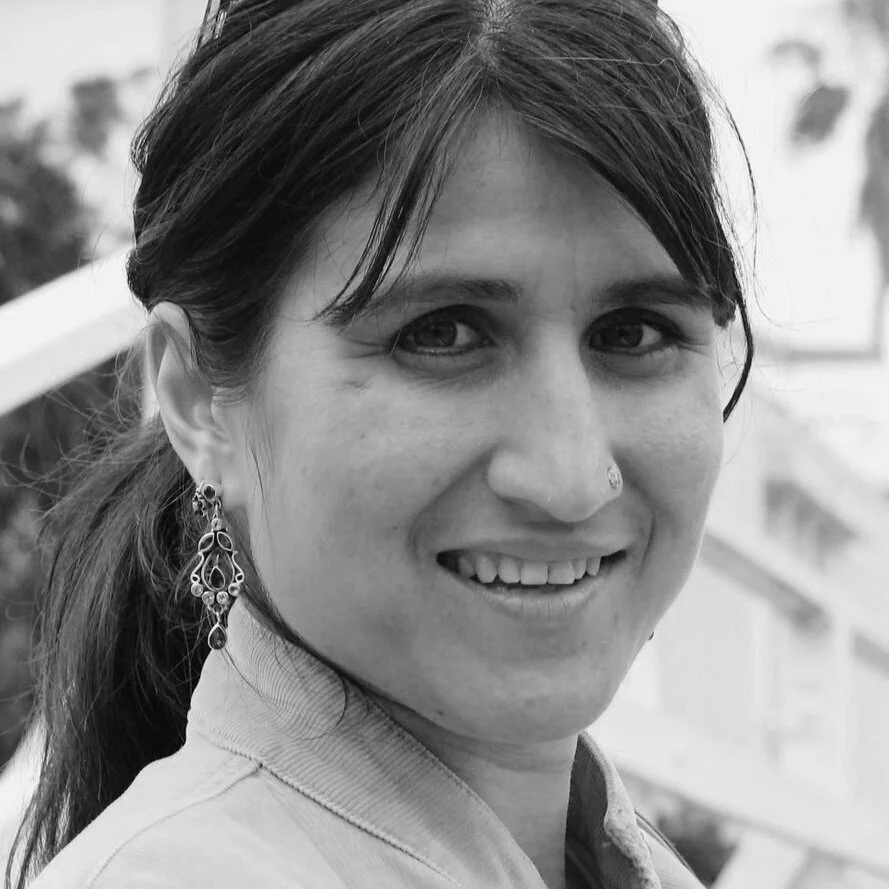
Sangita Shresthova
USC Civic Paths Group
Sangita Shresthova is the Director of Research of the Civic Paths Group based at the University of Southern California. Her work focuses on intersections among online learning, popular culture, performance, new media, politics, and globalization. She is also one of the authors of Popular Culture and the Civic Imagination: Case Studies of Creative Change (NYU Press, 2020) and of Practicing Futures: A Civic Imagination Action Handbook (Peter Lang, 2020).
Her earlier book on Bollywood (Is It All About Hips?) was published in 2011 by Sage. She is one of the creators of the Digital Civics Toolkit (digitalcivicstoolkit.org), a collection of resources for educators, teachers and community leaders to support youth learning. Her own creative work has been presented in academic and creative venues around the world including the Schaubuehne (Berlin), the Other Festival (Chennai), the EBS International Documentary Festival (Seoul), and the American Dance Festival (Durham, NC). She enjoys engaging with diverse communities through her workshops, lectures and projects.
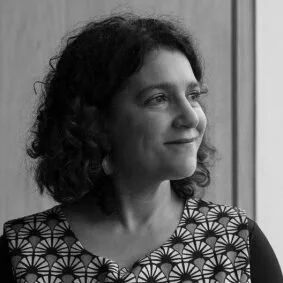
Sarah Wolozin
MIT Open Documentary Lab / Co-Creation Studio
As director of the MIT Open Documentary Lab, Sarah Wolozin develops and oversees lab projects, operations, and collaborations with leading media organizations including Sundance Film Institute, Tribeca Film Institute, IDFA DocLab, and National Film Board of Canada. She is the founder and editorial director of Docubase, an online curated database of the people, projects and technologies transforming documentary in the digital age. She recently co-authored a report entitled “Mapping the Intersection of Two Cultures: Interactive Documentary and Digital Journalism.”
Before coming to MIT, she produced documentaries and educational media for a wide variety of media outlets including PBS, Learning Channel, History Channel, NPR, websites and museums. She received her training from Blackside, Inc. makers of the Emmy award-winning, Eyes on The Prize, a PBS series about the civil rights movement. She went on to work on the Peabody award-winning series, I’ll Make Me A World: The History of African-American Arts. She started experimenting with the web back in the early stages of its public use and in 1996 created and produced an award-winning 8-week interactive web series based on a comic book character. She has sat on numerous committees and juries including Sundance New Frontier, Tribeca New Media Fund, the IFP Media Center, Puma Impact Award, and World Press Photo. She has presented at Sundance, SXSW, Storycode, MIT, DocMontevideo and many other venues. Sarah holds a BA in History from Barnard College, Columbia University and speaks fluent Italian.
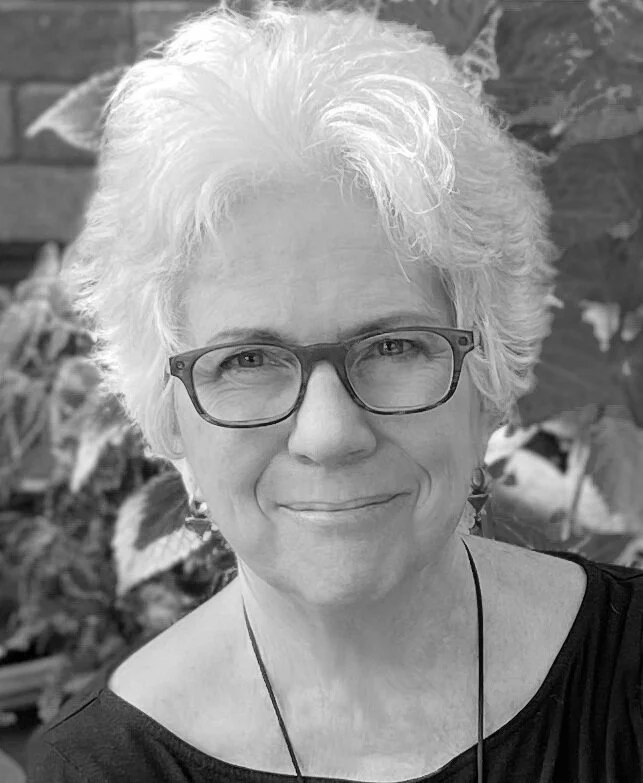
Terry Irwin
Transition Design Institute
Terry Irwin is a Professor and Head of the School of Design at Carnegie Mellon University, Pittsburgh (2009-present). She has been teaching design at the university level since 1986 and has held faculty positions at Otis Parsons College of Art and Design, Los Angeles (1986-1989), California College of Arts and Crafts, San Francisco (1989-2003) and Duncan of Jordanstone College of Art and Design, University of Dundee, Scotland (2007-2009). She was a founding partner of the San Francisco office of MetaDesign, an international design firm with offices in San Francisco, Berlin, London and Zürich, where she served as creative director from 1992-2001.
Terry holds an MFA in design from the Allegemeine Kunstgewerbeschule, Basel (1986), Switzerland and an MSc in Holistic Science from Schumacher College/Plymouth University (2004), England. Terry under- took PhD studies at the Center for the Study of Natural Design at the University of Dundee (2005-2009). She withdrew from the program (ABD) to take up her current position at Carnegie Mellon. Her research explores:
• Transition design: design-led societal transition toward more sustainable futures
• How principles of living systems can inform a more responsible approach to design • Worldview as the basis for a more responsible/sustainable design process
• Goethean science and Goethean phenomenology and its relevance to design process
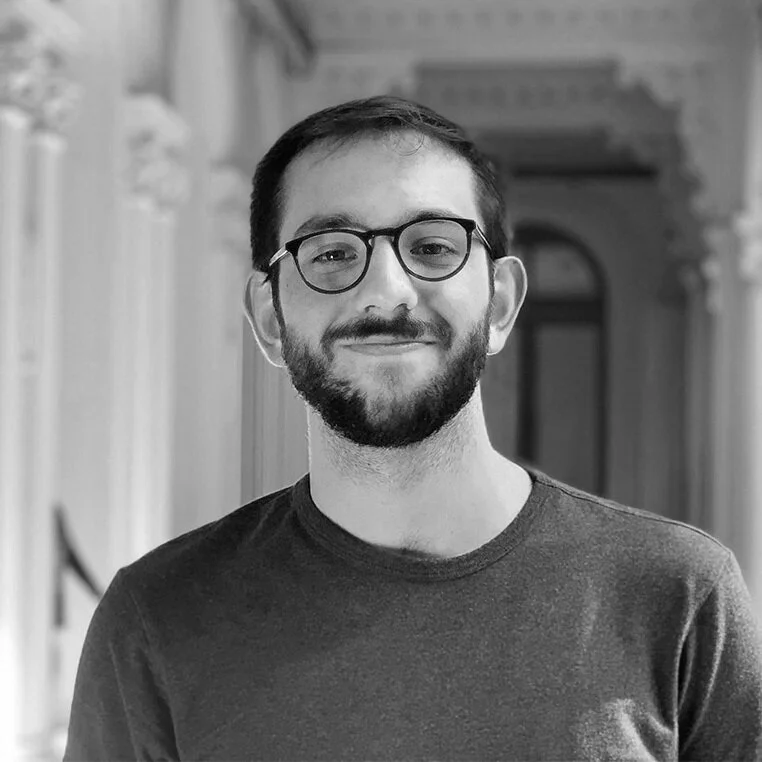
Tomás Guarna
MIT Civic Design Initiative
Tomás Guarna is a graduate student at MIT’s Comparative Media Studies program and a research assistant at the MIT Civic Design Initiative. He is interested in civic media, governance, and trust. Tomás received his B.A. in Social Sciences from Universidad Torcuato Di Tella in Buenos Aires, Argentina. Following that, he worked for the Presidency of Argentina’s Digital Communications Team collaborating on the Presidency’s digital strategy. Tomás is a Human Rights & Technology Fellow at the MIT Center for International Studies.

Ulya Aviral
Emerson College
Ulya Aviral is a writer, filmmaker and a scholar. Aviral’s art focuses on race, sexuality, and culture. Her films have been recognized and showcased by the Museum of Fine Arts in Boston, the Boston Globe, Short Film Corner at Cannes Film Festival, and Anthology Film Archives NYC funded by the Academy. One of her short films, Colors Inside (2017), was screened in Los Angeles, Romania, and Toronto. Among other films she wrote, directed, and produced are Shut Your Eyes I’m Gonna Dance (2018), a film about a transgender man’s fantastical journey in alternate universes, and My Nature (2018), which recounts the story of a woman who speaks in a secret language to conceal her identity as she escapes war in the Middle East. Aviral's films were screened at film festivals around the globe, including, but not limited to, Queer Kampala International Film Festival in Uganda, Boston Turkish Festival, and Boston Women’s Festival. Aviral previously taught screenwriting at Rhode Island School of Design and she is currently an affiliated professor in the Visual and Media Arts Department at Emerson College, where she also earned an M.F.A degree in film and media art in 2017.
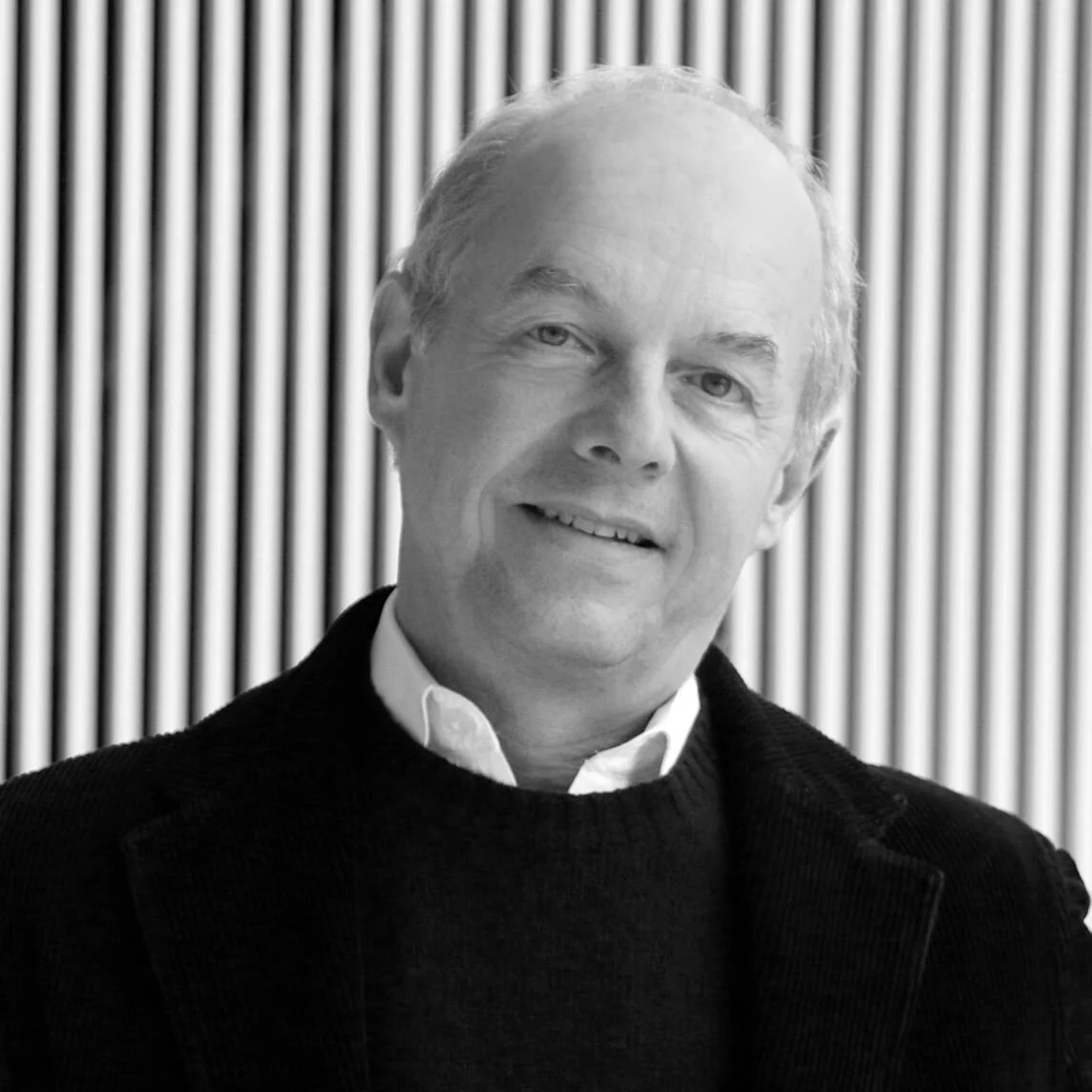
William Uricchio
MIT Open Documentary Lab / Co-Creation Studio
William Uricchio revisits the histories of old media when they were new; explores interactive and participatory documentary; writes about the past and future of television; thinks about algorithms and archives; and researches narrative in immersive and interactive settings. He is Professor of Comparative Media Studies, founder and Principal Investigator of the MIT Open Documentary Lab, and Principal Investigator of the Co-Creation Studio. He was also Professor of Comparative Media History at Utrecht University in the Netherlands and has held visiting professorships at the Freie Universität Berlin, Stockholm University, the Georg-August-Universität Göttingen (Lichtenberg-Kolleg), China University of Science and Technology, and in Denmark where he was DREAM professor. He has received Guggenheim, Humboldt, and Fulbright fellowships, the Berlin Prize, and the Mercator Prize. His publications include Reframing Culture; We Europeans? Media, Representations, Identities; Die Anfänge des deutschen Fernsehens; Media Cultures; Many More Lives of the Batman; Collective Wisdom: Co-Creating Media Within Communities, across Disciplines and with Algorithms, and hundreds of essays and book chapters, including a visual "white paper" on the documentary impulse (momentsofinnovation.mit.edu). He is currently leading a two-year research initiative on augmentation and public spaces with partners in Montreal and Amsterdam.
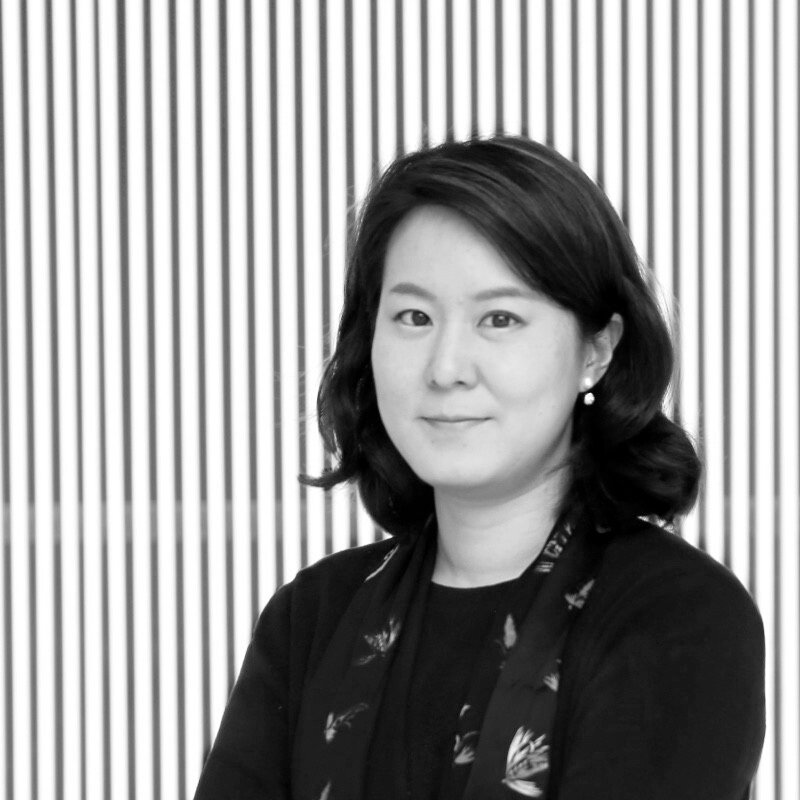
Yihyun Lim
MIT Civic Design Initiative
Yihyun Lim is an architect, urban designer, and researcher/lecturer at MIT. Prior to the Civic Design Initiative, she served as the director of MIT Design Lab, where she led a group of multidisciplinary researchers and students and conducted value-driven interaction and experience design research projects by contextualizing emerging technologies in the projected future. Through her work at MIT Design Lab, she has collaborated with industry partners across all sectors, including energy, banking, sportswear, and consumer products and electronics. She is an architect by training, completed her architectural and urban studies at MIT and has practiced architecture in international settings. Yihyun co-teaches CMS.950 Graduate Workshop with Prof. Paradis, and has previously taught experience/interaction design courses at MIT.

Yves Daccord
Harvard Berkman-Klein Center
Yves Daccord is a renowned humanitarian leader, international strategist, influencer and changemaker. His current focus is on the theme of the impact of COVID19 on our social contract and the role of cities at the age of digital surveillance and pandemics, which is the subject of a special initiative at Harvard’s Berkman Klein Center for Internet and Society.
From 2010 to March 2020, Yves was Director-General of the International Committee of the Red Cross (ICRC), a global humanitarian organization employing 20,000 staff. A former journalist, TV producer and international relations expert, his ICRC career spanned more than two decades in a variety of posts and challenging contexts – including Israel and the Occupied Territories, Sudan, Yemen, Chechnya and Georgia.
Yves co-chairs the #Principles4Peace initiative. He is as well member of the Board of Trustees of ODI a leading global affairs think tank working to inspire people to act on injustice and inequality, of the Board of the International Human Rights Film Festival of Geneva, of the Board of the leading swiss newspaper LeTemps and of the Board of the Humanitarian Quality Insurance Initiative. Yves holds a degree in political science and an honorary doctorate in social sciences from the University of St. Gallen, awarded in 2017.